![[site-title]](https://www.hisaigonairport.com/wp-content/uploads/sites/283/2025/09/HISA_Vertical-Lockup_Brandmark-by-IHG_RGB.png)
If you are planning to come to Vietnam to meet partners, research the market, or implement a project, preparing a Vietnam business visa is the first step you should handle early. Many international visitors only discover missing documents when they are close to the departure date, which leads to postponing meeting schedules or changing hotels. This article will help you clearly understand the right visa type, the documents you need to prepare, and how to avoid common mistakes so your business trip stays on schedule.
A Vietnam business visa (codes DN1, DN2) is a visa category for foreigners entering Vietnam for work, business activities, or investment purposes. This is a mandatory preparation step for experts, managers, technical workers, or international partners coming to Vietnam to attend meetings, conduct market surveys, sign contracts, and execute projects.
Currently, this visa category is clearly classified based on specific applicant profiles:
In addition, if the entry purpose is to attend conferences or seminars, foreigners may be issued a visa with the code HN. Determining the correct visa type from the beginning is extremely important. If you declare the wrong purpose or confuse the visa code, you may be refused a visa or denied entry at the border gate. Therefore, the sponsoring entity must ensure the application dossier is complete, accurate, and legally valid in accordance with regulations.
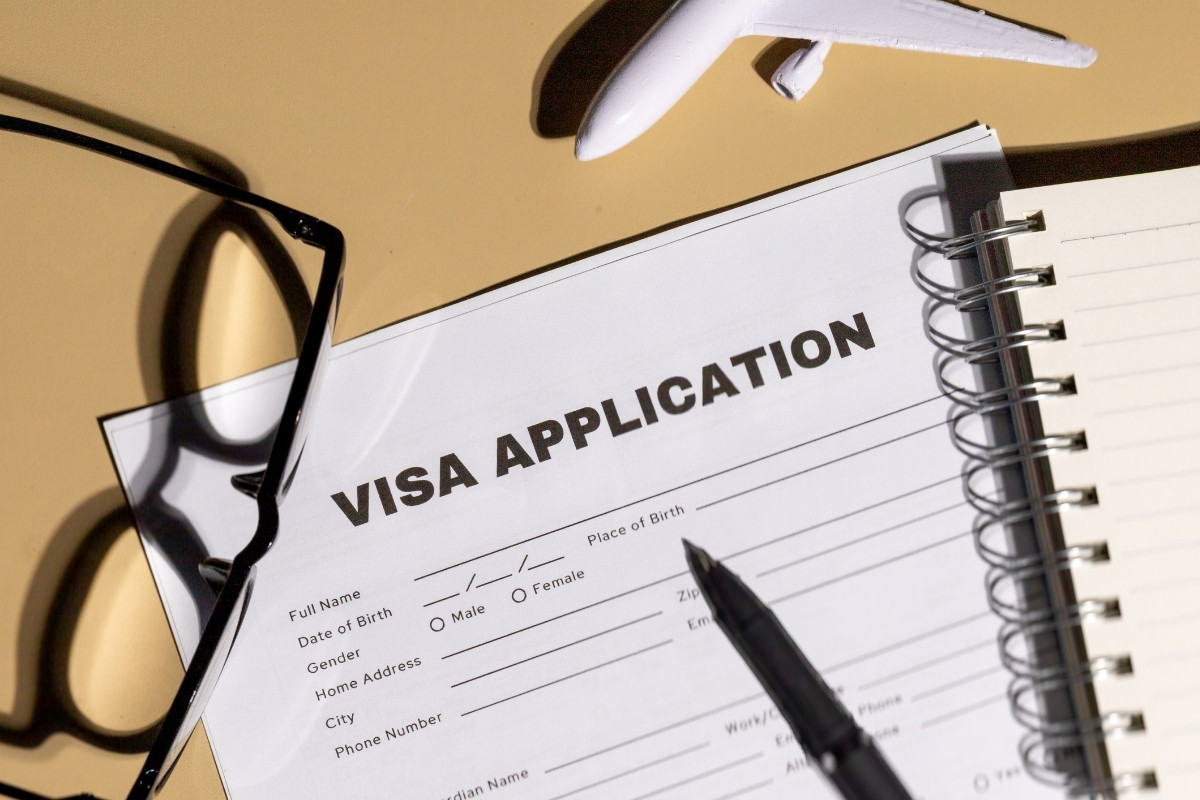
A DL tourist visa is only suitable for sightseeing and leisure travel purposes. Holders of this visa are absolutely not permitted to work or participate in direct business activities in Vietnam.
Currently, the maximum permitted stay for this category is 90 days (for electronic visas). The DL visa application process is relatively simple, foreigners can often complete it on their own, and it usually does not require a sponsoring entity in Vietnam. However, if a foreigner uses a DL tourist visa to work, they will be considered in violation of the law.
This is a specialized visa category for commercial activities. The DN1 visa is issued to those working with organizations that have legal entity status, while DN2 is for those entering to offer services or establish a commercial presence.
The visa validity period can range from 3 months to a maximum of 12 months and may allow multiple entries. A mandatory requirement is that a Vietnam-based organization or enterprise must sponsor the applicant and submit a personnel approval dossier to the Immigration Department.
An e-visa is the most convenient format for short-term business trips. Applicants submit their dossier entirely online through the Public Service Portal. The e-visa validity period is up to 90 days, and it can be valid for single-entry or multiple-entry.
When completing the online form, foreigners can select the purpose as “Business Activities.” However, a drawback of the e-visa is that it cannot be extended on-site, and it is more difficult to convert into a long-term temporary residence card compared with a traditional DN business visa.
Note that declaring the wrong purpose (such as using a tourist visa to work) or providing dishonest information will lead to serious consequences. Foreigners may be denied entry, fined, deported, or placed on a time-limited entry ban list under Vietnamese law.
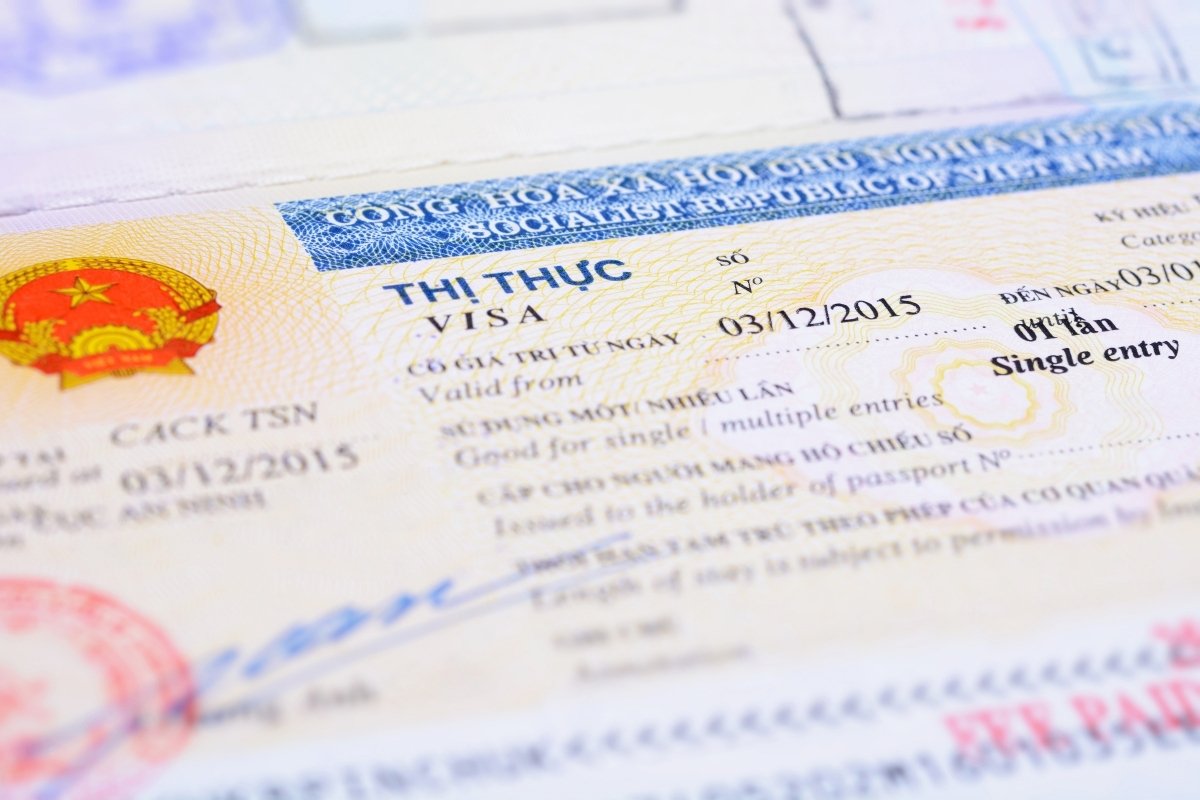
To be issued a business visa (DN1, DN2), foreigners must meet the following basic conditions:
A Vietnam business visa application dossier typically includes the following important documents:
Common mistakes that cause trouble for business travelers include missing documents from the sponsoring enterprise or visa details that do not match the original passport. A single incorrect letter in the full name or an incorrect passport number can result in a foreigner being denied entry immediately at the border gate. This directly affects flight schedules, causes important meetings to be canceled, and creates penalty costs when changing hotel stay arrangements.
From a hotel perspective, we recommend that you carefully verify information and prepare your dossier early (at least 1 week in advance) to ensure your business plan runs smoothly. Proactively handling procedures helps you avoid unnecessary legal risks and ensures your time for staying and working in Vietnam is as effective as possible.
Currently, international visitors can apply for a Vietnam business visa through three common methods, depending on their schedule and country of departure.
Standard processing time typically ranges from 5–7 working days, but it can be shortened to about 3 days for an e-visa or urgent cases at the border gate.
Because immigration regulations may change from time to time, checking the latest updated information before your flight is extremely important to ensure your hotel booking itinerary remains accurate.
This is the traditional approach, suitable for business trips planned well in advance.
The process begins when the sponsoring enterprise in Vietnam submits the dossier to request an Entry Approval Letter (NA2) to the Immigration Department.
After the approval letter is approved, the result will be faxed directly to the Vietnamese diplomatic mission where the foreigner registered to receive the visa.
Finally, the foreigner brings the original passport, portrait photos, and a printed copy of the approval letter to the Embassy/Consulate to pay the fee and complete the procedure for stamping the visa into the passport before departure.
This option is very suitable for urgent trips or for foreigners who live far from a Vietnamese diplomatic mission.
However, you are still required to have an Entry Approval Letter issued in advance through a sponsoring entity in Vietnam.
The enterprise will send the approval letter file (PDF) so the foreigner can print it out and complete the airline check-in/boarding procedures.
When landing at international airports (such as Noi Bai, Tan Son Nhat, Da Nang, etc.), the foreigner goes to the “Visa on Arrival” counter, presents the passport, photos, and pays the stamping fee (USD 25 for a single-entry visa or USD 50 for a multiple-entry visa) to receive the visa directly.
This is the most modern and convenient method, completed entirely online through the Ministry of Public Security Public Service Portal.
The foreigner or the sponsoring party accesses the system, declares personal information, and selects the entry purpose as “Business Activities.”
After uploading the passport photo page, a portrait photo, and paying the USD 25 fee, the result is usually available after about 3 working days.
The issued e-visa can be valid for up to 90 days (single-entry or multiple-entry). However, it is important to note that this visa type currently cannot be extended within Vietnam.
Fees and validity periods are two key factors that foreigners must understand clearly when preparing a Vietnam business visa.
In general, visa fees depend directly on the number of entries and the validity period of the visa. Single-entry visas typically cost less than multiple-entry visas; likewise, the longer the validity period, the higher the stamping fee.
An important point business travelers should note is that the total cost and processing time may vary depending on the applicant’s nationality and the submission method (such as e-visa, embassy stamping, or airport visa-on-arrival). In addition, the 1-year multiple-entry business visa for U.S. nationality has currently not been reissued.
Understanding these details helps you fully plan your budget, book flights, reserve hotel rooms, and arrange your working schedule in Vietnam as efficiently as possible.
Below is the stamping fee table according to regulations:
| No. | Visa type | Fee |
| 1 | Single-entry visa | USD 25/visa |
| 2 | Multiple-entry visa with validity not exceeding 03 months | USD 50/visa |
| 3 | Multiple-entry visa with validity from 3 months to 6 months | USD 95/visa |
| 4 | Multiple-entry visa with validity from 6 months to 12 months | USD 135/visa |
During work in Vietnam, many international visitors have to adjust their schedules because of visa-related issues. A common mistake is submitting an extension dossier too close to the expiration date, which increases the risk of violating immigration law and being deported.
In particular, many experts use an electronic visa (E-visa) but do not know that this type currently cannot be extended directly in Vietnam. If they want to continue staying or convert to longer-term status such as a temporary residence card, travelers are required to do a “visa run”—meaning they must exit Vietnam and re-enter with a new visa—which consumes time and generates additional costs.
In addition, discrepancies in critical personal information such as full name or passport number on the visa can cause a foreigner to be denied entry immediately at the border gate. To avoid risks from unreliable services, long business trips should be calculated carefully in advance regarding length of stay and extension feasibility, ensuring meeting schedules and work plans run smoothly.

You should not wait until your visa has expired before applying for an extension. Letting a visa expire exposes you to a high risk of deportation from Vietnam due to violating immigration law.
However, note that only visas stamped at an Embassy/Consulate or issued for visa-on-arrival at the airport can be extended, while electronic visas (E-visa) currently cannot be extended directly in Vietnam. If you are using an e-visa and want to stay longer, you must exit and re-enter Vietnam with a new visa.
For short-term business trips, foreigners have the following options:
In general, to apply for a business visa (DN1, DN2), it is mandatory to have a company or organization in Vietnam as a sponsor. The sponsoring entity must have legal entity status and complete the procedure to obtain an Entry Approval Letter from the Immigration Department before the foreigner receives the visa.
However, with the electronic visa (E-visa), foreigners can submit the online application themselves without necessarily needing an inviting/sponsoring entity to apply on their behalf, as long as they correctly declare the purpose as business activities.
Processing time depends on the submission method:
After completing your Vietnam business visa, the next step is choosing a hotel that fits your working schedule. If you fly to Ho Chi Minh City, staying near the airport saves travel time between meetings.
Holiday Inn & Suites Saigon Airport is located near Tan Son Nhat Airport, convenient for business travelers who move frequently. The hotel offers meeting rooms, an airport shuttle, and in-room working space.
For trips with a clearly defined schedule, you can refer to the Book Early, Save More offer on the official Holiday Inn Saigon Airport website to proactively plan your stay.
Preparing the correct visa type and booking your hotel early will help your business trip in Vietnam run smoothly, stay on track, and minimize unexpected changes.